
Do All Export Shipments Require Heat Treated Pallets
Shipping goods across borders often feels like a balancing act between strict timescales and even stricter paperwork. For logistics managers, the question of whether a pallet needs to be heat treated is not just a point of trivia; it is the difference between a smooth delivery and a shipment being quarantined at a foreign port. While the short answer is that most international wood packaging needs treatment, the reality depends entirely on the material you are using and your final destination.
International trade runs on pallets, but those pallets can inadvertently carry stowaways in the form of invasive pests. To stop insects and fungi from hitching a ride in timber, global authorities introduced standards that dictate how wood must be processed before it crosses an ocean. If your business is moving goods out of the UK, understanding these export pallet requirements is the first step in avoiding costly delays and potential fines.
The Essential Guide to ISPM15 Standards
At the heart of global logistics is a regulation known as ISPM15. This stands for the International Standards for Phytosanitary Measures No. 15. It was developed by the International Plant Protection Convention (IPPC) to harmonise the way wood packaging is treated across the globe. Without these standards, every country would have its own set of rules, creating a bureaucratic nightmare for exporters.
For most businesses, understanding what is ISPM15 and why it matters comes down to one thing: compliance. The standard requires that wood packaging thicker than 6mm be heat treated or fumigated to kill off any pests residing in the timber. In the UK, heat treatment is the preferred, eco-friendly method. The wood is placed in a kiln until its core reaches at least 56 degrees Celsius for a minimum of 30 minutes. This process ensures the material is sterile and safe for international transit.
You can identify a compliant pallet by the IPPC mark branded onto the wood. This mark includes a country code, a unique provider number, and the ‘HT’ symbol for Heat Treated. If you are unsure about the stock currently sitting in your warehouse, learning how to check if a pallet is ISPM15 compliant should be a priority for your dispatch team before any lorry is loaded.
When Do You Actually Need Heat Treated Pallets

It is a common misconception that every single item leaving a UK warehouse needs a heat treated base. The requirement specifically targets raw solid wood. If your shipment is headed for a country that has adopted ISPM15 (which includes the EU, USA, China, Australia, and many others), you must use treated timber for all pallets, crates, and dunnage.
However, there are exceptions. If you are using non-wood packaging materials, you can often bypass the heat treatment requirement altogether. This includes materials like:
- Plastic pallets
- Metal or aluminium frames
- Processed wood like plywood, OSB, or particle board (these are created using high heat and pressure, which effectively ‘self-treats’ the material)
- Cardboard or paper-based shipping solutions
For those sticking with traditional timber, it is vital to know why heat treatment matters for global shipping beyond just ticking a legal box. A rejected shipment can lead to the goods being returned at your expense, or worse, destroyed by customs officials. Many businesses have faced these hurdles, and the consensus is always the same: the cost of a compliant pallet is a fraction of the cost of a failed export.
Do Exports to the EU Need Heat Treated Pallets
Since the UK left the European Union, the rules have shifted significantly. Previously, pallets could move freely between the UK and the EU without specific phytosanitary markings. That is no longer the case. All wood packaging moving between Great Britain and the EU must now be ISPM15 compliant. This change has put immense pressure on supply chains, making it essential to work with a supplier that maintains a reliable supply of heat treated pallets and ISPM15 compliant stock.
Choosing the Right Option for Your Shipment
Choosing a pallet is rarely a one-size-fits-all decision. You have to weigh up the weight of your goods, the destination’s specific phytosanitary requirements, and how the pallet will be handled. Often, businesses find themselves wondering what pallet type do I need for a specific contract or a new international route. While standard timber is the workhorse of the industry, there are times when a plastic or reinforced option might be more cost-effective despite the higher initial price point.
If you have already committed to wood, you might be debating between different treatment methods. While chemical fumigation was once popular, the industry has largely shifted towards thermal methods. Modern logistics managers generally need to know how to choose between heat treated and fumigated pallets, and in the UK, heat treatment is almost always the faster and more sustainable choice.
Maximising the Lifespan of Compliant Pallets
Budget-conscious businesses often ask: can you reuse ISPM15 pallets for multiple shipments? The answer is yes, provided the pallet remains in good condition and the markings are legible. Unlike some certificates that expire after a set number of months, ISPM15 compliance stays with the pallet for its lifetime, provided it is not structurally altered.
However, longevity depends on how you look after your assets. You need to understand how to store heat treated pallets to maintain compliance, which generally means keeping them in a dry, ventilated area to prevent mould growth. Even though the heat treatment kills existing pests, damp wood can still attract new issues that might cause concern at a border inspection.
Wear and tear is inevitable in a busy warehouse. If a board breaks, you might wonder can you repair a heat treated pallet without losing certification? The rule here is strict: any replaced timber must also be heat treated, and the pallet must be re-certified and re-marked if major repairs are carried out. Simply slapping a new piece of scrap wood onto a certified pallet will void its compliance.
Common Pallet Compliance Pitfalls
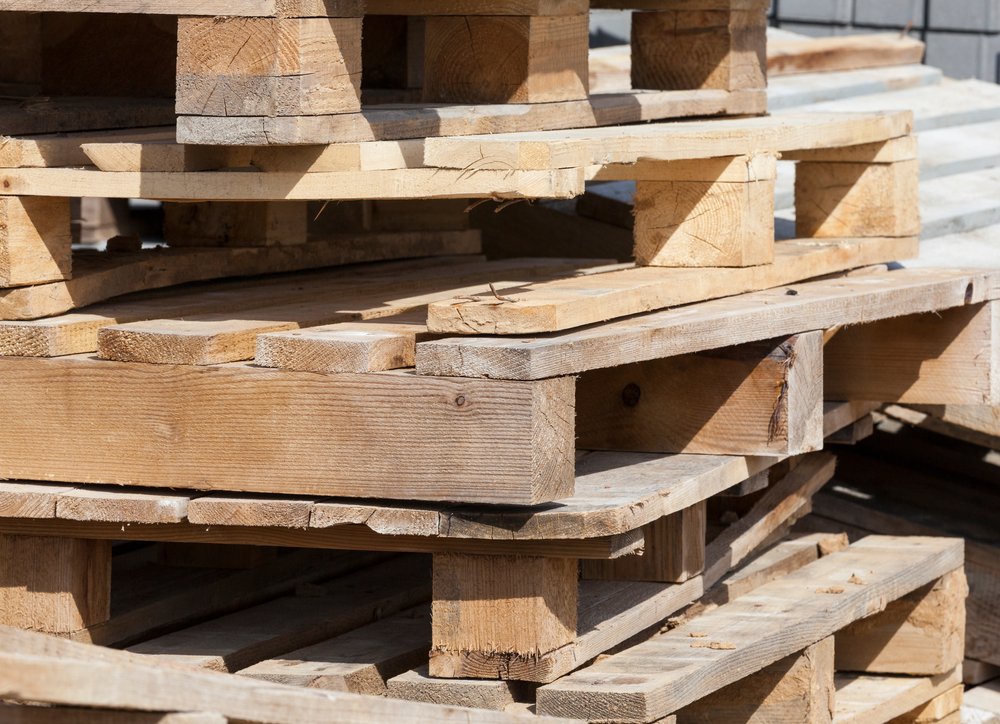
Even seasoned exporters make mistakes. Some of the biggest mistakes businesses make with ISPM15 compliance involve using pallets where the IPPC stamp has faded or become obscured by branding. Many ask: can painted or branded pallets still be ISPM15 certified? While they can be, the paint must not cover the mandatory health marks. If a customs officer cannot read the stamp, they will treat the pallet as non-compliant.
Another point of confusion is how long the certification actually lasts. Understanding how long ISPM15 certification lasts on a pallet is simple: it lasts as long as the pallet does, provided no untreated wood is added to it. However, if you are shipping to high-humidity climates, the physical integrity of the wood may fail long before the certification ‘expires’.
Securing Your Supply Chain
For businesses operating internationally, having a local partner who understands these complexities is invaluable. You need more than just a pallet supplier; you need a team that ensures every unit leaving your yard meets the necessary international pallet treatment standards. Whether you are shipping machinery, consumer goods, or raw materials, the peace of mind that comes with guaranteed compliance is worth the investment.
At A&M Pallets, we provide straight-talking advice and a fast turnaround on all compliant solutions. We know that in the world of logistics, timing is everything. If you are ready to streamline your exports and ensure your goods move through customs without a hitch, it is time to look at your pallet strategy. You can contact our expert team today to discuss your specific requirements and secure a reliable supply of compliant wooden packaging for your next international shipment.