
How to Choose Between Heat Treated and Fumigated Pallets for Export Compliance
When you’re preparing goods for international shipping, the last thing you need is a consignment held at customs because your pallets don’t meet phytosanitary requirements. For exporters, logistics managers and procurement officers across the UK, understanding the difference between heat treated and fumigated pallets isn’t just regulatory box-ticking—it’s essential for avoiding costly delays, protecting your reputation with trading partners, and ensuring your goods reach their destination on time.
Under ISPM15 regulations, wooden pallets used in international trade must undergo approved treatment to prevent the spread of invasive pests and plant diseases. The two primary methods—heat treatment (HT) and methyl bromide fumigation (MB)—each come with distinct advantages, limitations and acceptance criteria that vary by destination country. This comprehensive guide will help you make an informed decision about which treatment method best suits your export requirements, budget and sustainability commitments.
Understanding ISPM15 and Why Pallet Treatment Matters

The International Standards for Phytosanitary Measures No. 15 (ISPM15) is a global standard developed by the International Plant Protection Convention (IPPC) to reduce the international spread of wood-boring insects and plant diseases through wood packaging material. Introduced in 2002 and adopted by over 180 countries, ISPM15 compliance is now mandatory for most international shipments involving wooden pallets, crates and dunnage.
Heat treatment matters for global shipping because untreated wood can harbour pests like the Asian longhorned beetle and pinewood nematode, which have caused billions in agricultural and forestry damage worldwide. Countries enforce strict border controls, and non-compliant pallets can result in:
- Immediate shipment rejection at port of entry
- Mandatory treatment, destruction or return of goods at exporter’s expense
- Heavy fines ranging from hundreds to thousands of pounds
- Damaged business relationships and lost future contracts
- Reputational harm with customers and logistics partners
Understanding your treatment options ensures you specify the right pallets from the outset, maintain proper certification documentation, and avoid the biggest mistakes businesses make with ISPM15 compliance.
Heat Treatment (HT): The Industry Standard
Heat treatment has become the dominant phytosanitary treatment method for export pallets, accounting for over 95% of ISPM15-compliant wood packaging globally. The process involves heating wood to a minimum core temperature of 56°C (132.8°F) for a minimum of 30 minutes, effectively killing insects, larvae and eggs at all life stages.
How Heat Treatment Works
Kiln dried pallets undergo controlled heating in specialized chambers where temperature and humidity are carefully monitored. The wood must reach the required core temperature throughout the entire piece—not just the surface—to ensure complete pest eradication. Once treatment is complete, pallets are stamped with the ISPM15 mark including the “HT” designation, country code, and producer identification number.
Advantages of Heat Treated Pallets
Universal acceptance: Heat treatment is approved by virtually every country that enforces ISPM15, including the European Union, United States, Australia, China, Japan, Canada, New Zealand and South Korea. This makes HT pallets the safest choice when shipping to multiple destinations or when country-specific requirements are uncertain.
Environmental benefits: Unlike chemical fumigation, heat treatment produces no toxic residues, requires no hazardous materials handling, and leaves no chemical traces in the wood. This aligns with increasingly stringent environmental regulations and corporate sustainability commitments, making HT the preferred option for companies with green logistics policies.
Worker safety: Heat treatment poses no health risks to warehouse staff, forklift operators or logistics personnel who handle pallets daily. There are no exposure limits to monitor, no protective equipment requirements, and no restricted-entry waiting periods.
Immediate use: Once cooled, heat treated pallets are ready for immediate loading and shipping. There’s no need to wait for chemical dissipation or ventilation periods, streamlining your packing operations and reducing turnaround time.
Re-treatment capability: Heat treated pallets can be reused for multiple shipments as long as the ISPM15 stamp remains legible and the wood shows no signs of new infestation. They can also be repaired without losing certification if damaged components are replaced with similarly treated wood.
Limitations to Consider
Heat treatment does require access to specialized kiln facilities and typically adds 2-5 days to production lead times compared to untreated wood. Initial costs may be 15-25% higher than raw pallets, though this premium has decreased as HT has become the industry norm. Additionally, heat treatment slightly reduces wood moisture content, which can make pallets more susceptible to cracking in very dry conditions—though proper storage of heat treated pallets mitigates this risk.
Methyl Bromide Fumigation (MB): A Declining Alternative
Methyl bromide fumigation was once the primary treatment method for export pallets but has fallen dramatically out of favour due to environmental concerns and international restrictions. The process involves exposing wood to methyl bromide gas—a powerful pesticide—in sealed chambers for 16-24 hours.
Why Fumigation Is Becoming Obsolete
Restricted availability: Methyl bromide is an ozone-depleting substance banned under the Montreal Protocol for most uses. While ISPM15 treatment remains an exempted “critical use,” many countries have imposed strict quotas or eliminated MB fumigation entirely. The UK and EU have severely limited methyl bromide use, making fumigated pallets increasingly difficult to source domestically.
Country acceptance issues: Several major trading partners have banned or heavily restricted the import of MB-treated wood packaging. The European Union does not permit methyl bromide fumigation for ISPM15 treatment, meaning MB pallets cannot be legally used for shipments within or into the EU. Australia has proposed phasing out MB acceptance entirely, and New Zealand applies additional scrutiny to fumigated wood.
Environmental and health concerns: Methyl bromide contributes to stratospheric ozone depletion and is classified as highly toxic to humans. Fumigation facilities require extensive safety protocols, protective equipment, and monitoring systems. Workers must observe mandatory re-entry waiting periods, and residual gas must be properly vented and neutralized.
Higher operational costs: Fumigation typically costs 30-50% more than heat treatment when available, due to limited provider availability, specialized equipment, gas expenses, and compliance requirements. Extended treatment times and mandatory ventilation periods can add 3-7 days to procurement lead times.
When Fumigation Might Still Apply
In rare circumstances, methyl bromide fumigation may be specified by importing countries for quarantine purposes or for specific wood species that cannot tolerate high temperatures. Some nations in Africa, Asia and South America still accept MB treatment, though heat treatment is almost always an acceptable alternative. Before considering fumigated pallets, always verify current destination country requirements through official customs or plant protection authorities.
Direct Comparison: Making the Right Choice
| Factor | Heat Treatment (HT) | Methyl Bromide (MB) |
| Global acceptance | Accepted by 180+ countries including EU, US, Australia, China | Permitted in some non EU regions but banned for pallet treatment within the UK and EU |
| Environmental impact | Zero emissions, no chemical residues | Ozone depleting fumigant with significant environmental concerns |
| Worker safety | Safe to handle immediately after cooling | Highly toxic gas requiring specialist operators and strict safety procedures |
| Cost | Moderate premium (15-25% vs untreated) | Not available for ISPM15 pallet treatment in the UK and EU |
| Lead time | 2-5 days typically | Not applicable in the UK and EU due to regulatory ban |
| Availability (UK) | Widely available from multiple suppliers | Banned for pallet treatment under EU and UK environmental regulations since 2010 |
| Re-treatment | Can be repeated if re-infestation occurs | Not permitted for ISPM15 pallet use in the UK and EU |
| Sustainability credentials | Supports green logistics commitments | Conflicts with environmental policies and international ozone protection agreements |
For the vast majority of UK exporters, heat treatment is the clear choice. It offers universal acceptance, aligns with environmental values, ensures worker safety, and provides reliable availability at competitive costs.
Country-Specific Requirements: Know Before You Ship
While heat treatment is accepted globally, understanding specific destination requirements helps avoid surprises:
- United States: Accepts both HT and MB but requires proper ISPM15 marking. USDA conducts random inspections at ports of entry. Non-compliance can result in immediate rejection or mandatory treatment at exporter’s expense.
- European Union: Requires heat treatment only; methyl bromide fumigation is not recognized for ISPM15 compliance within the EU. All wooden packaging entering the EU must bear the HT designation.
- Australia: Accepts heat treatment; has proposed phasing out MB acceptance. Australian Department of Agriculture applies stringent border controls with heavy penalties for non-compliance.
- China: Accepts both HT and MB currently, but increasingly scrutinizes MB-treated wood. Heat treatment is strongly recommended to avoid inspection delays.
- Canada: Accepts both treatments but prefers HT. Canadian Food Inspection Agency (CFIA) enforces ISPM15 strictly at border crossings.
Always verify current requirements with the importing country’s plant protection organization or customs authority before shipment, as regulations evolve regularly.
How to Verify ISPM15 Certification and Treatment Marks
Checking if a pallet is ISPM15 compliant requires examining the certification mark, which must include:
- IPPC logo: The distinctive wheat symbol in a box
- Country code: Two-letter ISO country code (e.g., GB for United Kingdom)
- Producer/treatment facility code: Unique identifier assigned by national plant protection authority
- Treatment type: “HT” for heat treatment or “MB” for methyl bromide fumigation
The mark should be clearly legible, permanently applied (typically by stamp or brand), and appear on at least two opposite sides of the pallet. Marks that are painted over, illegible, or appear on stick-on labels are not acceptable for international shipping.
Red flags indicating non-compliant pallets:
- Missing or incomplete ISPM15 marks
- Handwritten or printed paper labels instead of stamps
- Signs of active insect infestation (bore holes, frass, live insects)
- Obvious repair with unmarked or untreated wood
- Damaged stamps where treatment code cannot be verified
- Marks that don’t match official IPPC format guidelines
Maintain photographic evidence of pallet marks for your records and include them in shipping documentation to support customs clearance.
Procurement Checklist: Securing Compliant Export Pallets
When sourcing heat treated pallets for export, follow this practical checklist:
Before ordering:
- Confirm destination country phytosanitary requirements through official sources
- Verify your pallet supplier holds current certification from the national plant protection organization
- Request copies of the supplier’s treatment facility approval documentation
- Clarify lead times for treatment, marking and delivery
- Understand what pallet type you need based on load requirements and destination specifications
Upon delivery:
- Inspect all pallets for clear, legible ISPM15 marks matching supplier documentation
- Check for signs of damage, repair with unmarked wood, or pest activity
- Photograph marks for your compliance records
- Verify treatment codes against supplier certification
- Reject any pallets with missing, illegible or suspicious marks
Before shipping:
- Include pallet treatment documentation in shipping paperwork
- Ensure freight forwarders and customs brokers have certification copies
- Maintain audit-ready files with treatment certificates, pallet photos and supplier credentials
- Train warehouse staff to handle and store treated pallets properly to maintain compliance
For guidance tailored to your specific export requirements, contact A&M Pallets to discuss your phytosanitary treatment needs.
The Verdict: Heat Treatment Wins for Modern Exporters
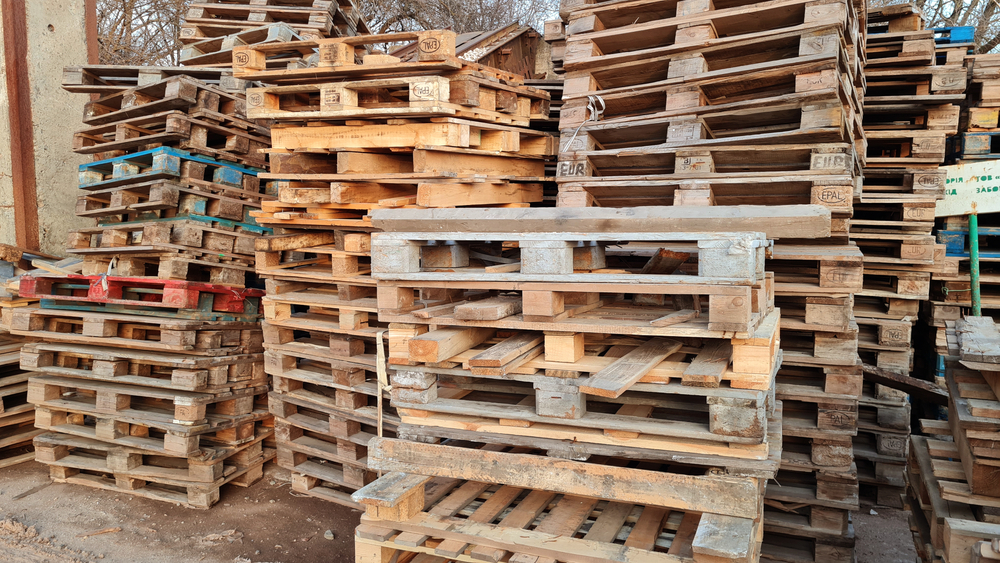
For UK businesses shipping internationally, heat treated pallets represent the optimal choice in virtually every scenario. They offer universal acceptance, environmental responsibility, worker safety, and reliable availability—all critical factors for smooth logistics operations and sustainable supply chains.
Methyl bromide fumigation, once common, is now a fading alternative hampered by environmental restrictions, limited availability, and declining global acceptance. Unless specifically mandated by an importing country for unusual circumstances, fumigated pallets add unnecessary cost, complexity and risk to your export operations.
The modest premium for heat treatment—typically 15-25% over untreated wood—is a worthwhile investment in compliance assurance, shipment reliability and reputational protection. When you consider the cost of a single rejected container, customs fine, or damaged customer relationship, properly treated pallets become essential business insurance rather than discretionary expense.
Frequently Asked Questions
How long does ISPM15 certification remain valid?
The treatment certification is permanent as long as the pallet shows no signs of re-infestation and the mark remains legible. However, if wood is repaired or modified, replacement components must also be ISPM15-treated and marked.
Can I use heat treated pallets for domestic UK shipments?
Yes. Heat treated pallets can be used for both domestic and international transport. Many businesses use ISPM15 pallets exclusively to maintain consistent inventory and avoid accidental use of non-compliant pallets for export shipments.
What happens if my pallets are rejected at customs?
Non-compliant pallets may be refused entry, required to undergo treatment at destination (at your expense), destroyed, or returned. You may also face fines, and the incident will be recorded against your business, potentially triggering enhanced scrutiny on future shipments.
Are plastic or metal pallets subject to ISPM15?
No. ISPM15 applies only to solid wood packaging material. Plastic pallets, metal pallets, engineered wood products (plywood, OSB, particleboard) and processed wood products are exempt from phytosanitary treatment requirements, though other import regulations may apply.
How should I store heat treated pallets to maintain compliance?
Store pallets in dry, covered areas away from untreated wood, soil and vegetation that could introduce pests. Stack properly to prevent damage to ISPM15 marks, rotate stock to use oldest pallets first, and regularly inspect for signs of infestation.
Partner with Pallet Compliance Experts
Navigating international phytosanitary regulations shouldn’t slow your export operations. A&M Pallets provides ISPM15-certified heat treated pallets with full documentation, expert guidance on country-specific requirements, and reliable stock levels to support your shipping schedules. Whether you’re an established exporter or preparing your first international consignment, we ensure your wooden packaging material meets the standards that keep goods moving smoothly across borders.
Understanding the differences between heat treatment and fumigation is the first step toward confident, compliant export operations. By choosing heat treated pallets, maintaining proper certification records, and working with knowledgeable suppliers, you protect your business from costly delays whilst supporting environmentally responsible logistics practices that benefit everyone in the global supply chain.