
How to Safely Handle and Store Wooden Pallets to Prevent Damage and Injury
In any busy warehouse across the South West, the humble wooden pallet is the backbone of daily operations. While they might seem like simple, sturdy platforms, mishandling them is one of the quickest ways to rack up unnecessary costs or, worse, cause a serious workplace accident. Ensuring safe wooden pallet handling is not just about compliance; it is about protecting your team and your bottom line by extending the life of your equipment.
Wooden pallets are remarkably resilient, but they are not indestructible. Most injuries occur when staff become complacent, treating timber as a disposable commodity rather than a heavy piece of industrial equipment. Whether you are managing a small distribution hub in Devon or a large-scale manufacturing plant in Cornwall, establishing clear protocols for how these items are moved and stored is essential for a smooth-running site.
The Golden Rule: Never Skip a Pallet Inspection
Safety begins long before a forklift even enters the racking. A rapid visual check should be part of every staff member’s routine. Look for split stringers, loose nails, or missing chunks of wood that could snag on clothing or cause a load to shift unexpectedly. A pallet that looks compromised is a liability and should be removed from the rotation immediately.
Identifying damage early is particularly important when dealing with high-quality wooden pallets, as catching a minor splintering issue can prevent a total collapse later. If a pallet shows signs of rot or serious structural failure, it has reached the end of its useful life. Many businesses are now looking at how different materials hold up under pressure, often comparing these timber workhorses against alternatives, such as plastic pallets vs metal pallets, to see which fits their specific weight requirements best.
Are Your Pallet Stacks a Ticking Time Bomb?
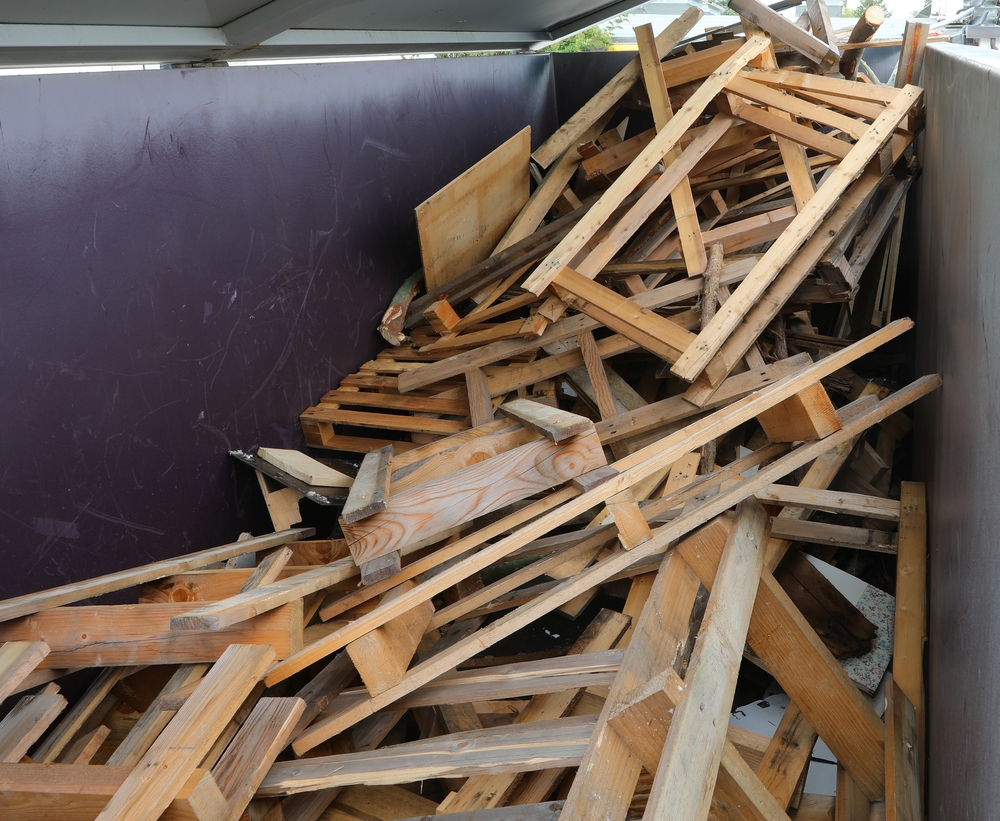
Poor stacking is a leading cause of warehouse incidents. It is often tempting to pile empty pallets high to save floor space, but an unstable tower is a disaster waiting to happen. To maintain a safe environment, always stack pallets horizontally and never on their sides. Vertical stacking is incredibly unstable and can lead to a domino effect if accidentally bumped by machinery.
Adhering to a sensible pallet stack height is the easiest way to prevent falls. For most UK warehouses, a maximum height of around 15 feet (roughly 15 to 20 pallets) is the standard, provided the stack is perfectly level and uniform. Mixing different sizes in one stack is a recipe for trouble. Ensure the largest pallets are always at the bottom of the pile to provide a stable base, and never allow staff to climb on empty stacks to reach higher racking.
How to Stop Forklift Operators Damaging Your Assets
The interaction between a forklift and a pallet is where most damage occurs. Operators often ‘bulldoze’ pallets across the floor to move them quickly, which weakens the timber joints and leads to premature failure. Correct pallet handling techniques require the forks to be fully inserted under the load before lifting. Partial insertion puts immense pressure on the lead boards, causing them to snap under the weight.
Speed is rarely the friend of safety. When navigating tight corners in a Somerset logistics hub, sudden stops can cause the load to slide or the pallet to crack. It is also worth considering your environment; for example, while timber is excellent for many sectors, some managers find that plastic pallets are better for cold chain logistics where timber might absorb moisture or become slippery. Regardless of the material, keeping the load low to the ground while in motion is a non-negotiable rule.
Why ISPM15 Safety Matters for Local Businesses

If your business involves shipping goods outside of the UK, wooden pallet injury prevention includes protecting the environment from invasive pests. The ISPM15 standard ensures that timber has been heat-treated to kill any bugs or fungi. Using pallets that do not meet these requirements can lead to your shipments being turned away at the border, costing you thousands in delays and fines.
Sustainable pallet use is also a growing priority for businesses in the South West. By sourcing pallets made from virgin wood from UK sawmills, you ensure a traceable supply chain and a more robust product. Managing your inventory properly, including arranging regular pallet collections for your old or damaged stock, keeps your workspace clear and allows for timber to be diverted toward recycling rather than landfill.
Choosing the Right Tool for the Job
Not every operation is best served by timber alone. Depending on your hygiene requirements or the weight of your goods, you might need to choose the right plastic pallet for specific tasks. While timber remains the cost-effective and versatile choice for the majority of UK freight, modern plastic pallets offer an alternative for high-care environments where splinters or protruding nails are an absolute no-go.
The industry is changing rapidly, and we are seeing significant shifts in how businesses approach their assets. For instance, how recycling initiatives are changing the way we view pallet lifecycles is a topic many of our clients are keen to discuss. Ultimately, whether you use wood or plastic, the goal remains the same: move gravity-defying loads safely and efficiently.
Keep Your Workforce Safe and Your Stock Moving
Implementing these pallet safety guidelines should not be a one-off event. It requires a culture of awareness where every team member feels responsible for the equipment they use. Regular training sessions for new starters and refresher courses for long-term staff will ensure that safe wooden pallet handling becomes second nature.
If you find that your current pallet stock is showing signs of wear and tear, or if you need a reliable supply of fresh, heat-treated timber for your next shipment, we can help. A clear, well-organised warehouse is a profitable one. For expert advice on managing your pallet inventory or to discuss a fast turnaround on new orders, feel free to contact us and speak with our Plymouth-based team today.