
Do You Need ISPM15 Certification for Internal UK Pallet Transfers?
For logistics managers and business owners across the South West, the rulebook on pallet compliance often feels like it shifts the moment a vehicle crosses a border. If you are moving goods from a warehouse in Launceston to a distribution centre in Willand, or shifting stock between sites in Plymouth and St Austell, the paperwork requirements are naturally different from those heading to the European Union or further afield. The short, direct answer for those operating solely within our borders is that you do not legally require ISPM15 certification for UK domestic pallet transfers. However, while the law is clear, the operational reality for many UK businesses is often more nuanced than a simple yes or no answer.
Internal UK pallet transfers involve moving goods within England, Scotland, and Wales, where standard timber pallets are perfectly acceptable without specific heat treatment stamps. Because these movements do not cross international phytosanitary boundaries, the risk of spreading non-native pests via wood packaging is managed differently. Yet, despite the lack of a legal mandate for domestic use, many companies still choose to use certified stock. This decision usually stems from a desire for supply chain flexibility or a need to meet the strict hygiene standards required by specific industries like food production or pharmaceuticals.
Understanding the distinction between what is legally required and what is operationally sensible is the first step in managing your overheads. At A&M Pallets, we work with businesses across the South West to help them navigate these choices, ensuring they do not overspend on unnecessary certifications while remaining ready for any potential export opportunities that might arise. Knowing what pallet type do I need for your specific domestic route can save significant sums in the long run.
Understanding the Rules for UK Wood Packaging Standards

The International Standard for Phytosanitary Measures No. 15, commonly known as ISPM15, was designed to stop the international transport of timber pests. It requires wood packaging to be heat treated to a core temperature of 56 degrees Celsius for at least 30 minutes. In a purely domestic context, these UK wood packaging standards are not enforced for travel between British mainland locations. You are free to use reconditioned or new timber pallets that have not undergone the heat treatment process.
This freedom allows for a more cost-effective approach to logistics. If your supply chain is entirely closed and your goods never leave the UK, opting for high-quality reconditioned units is often the most sensible path. We maintain a stock of over 40,000 reconditioned units across our five sites, providing a reliable supply for companies that do not need to worry about the IPPC mark. However, problems often arise when a business mistakenly believes that all timber packaging must be treated, leading to inflated procurement costs.
It is also worth noting that while internal UK shipping regulations are relaxed for timber, they do not negate the need for quality. A pallet might not need a stamp to travel from Devon to Cornwall, but it still needs to be structurally sound to ensure the safety of your workforce and the integrity of your stock. Using damaged or poor-quality pallets for domestic transfers is one of the biggest mistakes businesses make with ISPM15 compliance and general logistics safety, as it often leads to preventable accidents or rejected deliveries at the receiving end.
When Should You Use Heat Treated Pallets for Domestic Use?
If certification is not a legal requirement for intra-UK pallet use, why do so many South West businesses still request them? The most common reason is the avoidance of double handling. If a manufacturer in Tavistock produces goods that might eventually be sold to a client abroad, it makes operational sense to palletise them on ISPM15 compliant wood from the very beginning. This eliminates the need to break down and rebuild loads later, which is a labour-intensive and expensive process.
Another factor is the inherent benefit of the heat treatment process itself. Beyond just killing bugs for export reasons, heat treatment reduces the moisture content of the wood. This makes the pallets less prone to mould and fungal growth, which is a major consideration for businesses in the pharmaceutical or food and beverage sectors. In these environments, the clean and dry nature of the timber is often more important than the actual certification stamp. You can learn more about why heat treatment matters for global shipping and hygiene to see if these benefits align with your domestic requirements.
For those who do choose to use certified stock domestically, maintenance is key. Even if you are not exporting today, you might be tomorrow. Knowing how to store heat treated pallets to maintain compliance ensures that your investment remains valid and that the wood does not reabsorb moisture or become infested while sitting in your warehouse.
Operating in Northern Ireland
It is vital to distinguish between internal UK transfers within Great Britain and shipments to Northern Ireland. Due to the current regulatory landscape, shipments from Great Britain to Northern Ireland are treated differently, often requiring ISPM15 compliant packaging. This is a common point of confusion for logistics managers who assume ‘domestic’ covers the entire UK without exception. If your route involves crossing the Irish Sea, you should treat it as an export and ensure your pallets are correctly marked.
How to Identify and Manage Your Pallet Stock
Managing a mixed fleet of pallets can be a logistical headache. If you have both certified and non-certified pallets in your warehouse, you need a clear system to tell them apart. Heat treated pallets are marked with a specific wheat ear stamp that includes a country code, a unique provider ID, and the ‘HT’ abbreviation. Learning how to check if a pallet is ISPM15 compliant is a basic skill that every warehouse operative should possess to prevent accidental non-compliance during an export run.
At A&M Pallets, we offer colour coding for inventory identification, which is an excellent way to separate your domestic stock from your export-ready stock at a glance. By painting the blocks or runners a specific colour, you can ensure that your team always reaches for the right pallet for the right destination. Interestingly, many customers ask if these markings invalidate the certification. As long as the IPPC stamp remains visible and legible, you can rest assured that can painted or branded pallets still be ISPM15 certified is a question with a positive answer.
If you find that your domestic pallets are showing signs of wear, you might wonder about the cost of replacement versus repair. For non-export pallets, repairs are straightforward and do not require recertification. However, for your heat treated stock, the rules are stricter. If you replace a structural component, the pallet must be re-treated and re-stamped. Understanding if can you repair a heat treated pallet without losing certification is crucial for maintaining a compliant fleet without wasting money on new units prematurely.
The Financial Impact of Pallet Choices
For most businesses, the decision on ISPM15 for national transport comes down to the bottom line. Heat treated pallets generally carry a higher price tag than their non-treated counterparts due to the energy and time required for the kiln drying process. If your business moves thousands of units a month solely within the South West, forcing a requirement for ISPM15 across the board could be adding thousands of pounds to your annual procurement budget for no legal reason.
Instead of a one-size-fits-all approach, many of our clients opt for a tiered strategy. They use high-quality reconditioned pallets for their local UK logistics and reserve new, heat treated units for their international contracts. This allows them to take advantage of the lower costs associated with recycled timber while still having the capacity to ship globally when needed. Because you can reuse ISPM15 pallets for multiple shipments, the initial investment in certified units can go a long way if they are managed correctly within a pallet pool.
Our team at A&M Pallets can help you analyse your current usage and suggest a mix of products that balances compliance with cost. Whether you are looking for new bespoke timber builds from our Launceston head office or reconditioned units from our Plymouth or St Austell sites, we provide the expert guidance needed to keep your overheads low. We can also explain the technical differences if you are wondering how to choose between heat treated and fumigated pallets for export compliance, though heat treatment remains the UK industry standard.
Practical Compliance for the Modern Supply Chain
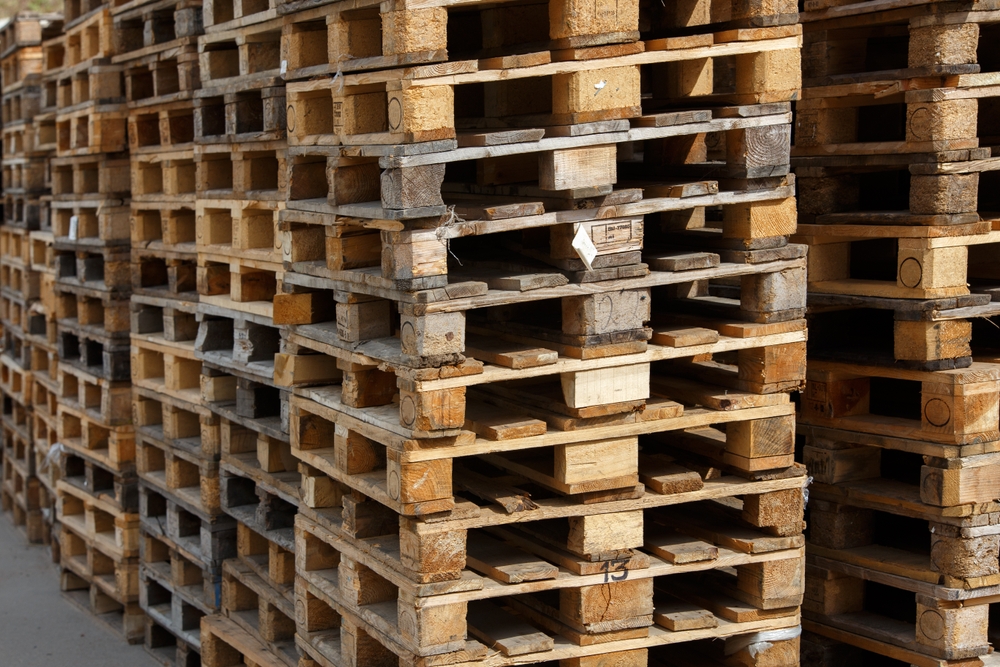
While the focus today might be on domestic transfers, the world of logistics is rarely static. A local business today might be a regional exporter by next year. Understanding the fundamentals now, such as what is ISPM15 and why it is important for exporting goods, ensures you are not caught off guard by a sudden change in your business model. It is much easier to implement a compliant system now than to scramble for certified stock when a large international order arrives on your desk.
We often get asked by new customers about the lifespan of the certification. If you are buying heat treated pallets for domestic use today with an eye on exporting them in six months, you need to know how long does ISPM15 certification last on a pallet. The good news is that the certification does not expire, provided the pallet is not repaired with non-treated wood or becomes structurally compromised. This makes them a durable asset for any business, even if they are not leaving the country immediately.
For more detailed information on our range of services or to get a quote for your domestic or export pallet needs, you can contact us at any of our South West locations. With over 35 years of experience and a production capacity of 45,000 pallets per month, we have the scale and the expertise to support your operations, no matter where your goods are headed. Our comprehensive guide on heat treated pallets and ISPM15 provides further depth for those looking to master their wood packaging compliance.
Ultimately, your pallet strategy should be as flexible as your business. By identifying which parts of your operation truly require certification and which can thrive on high-quality domestic stock, you can protect your margins without ever risking a compliance failure at the border. Focus on structural integrity and sensible inventory management, and your domestic logistics will remain smooth, safe, and cost-effective.