
How to Maximise the Lifespan of Your New Timber Pallets Through Proper Care
Investing in a fresh fleet of pallets is a significant capital expenditure for any South West business, whether you are managing a busy distribution centre in Plymouth or a manufacturing site in St Austell. While timber is naturally resilient, its lifespan is not set in stone. The difference between a pallet that lasts for ten trips and one that fails after three often comes down to the small, daily habits of warehouse staff and the environment in which the wood is kept. By adopting a proactive approach to new timber pallet care, companies can significantly reduce their replacement cycles and improve the overall safety of their logistics operations.
Maintaining these assets is not just about keeping the wood looking clean. It is a strategic move to ensure cost effective pallet use and to maintain the structural integrity required for heavy loads. When you understand the factors that lead to timber degradation, from moisture absorption to forklift impact, you can implement simple maintenance tips that protect your bottom line and support sustainable pallet practices by keeping materials in circulation for longer. If you are unsure about the specific needs of your inventory, you can first determine what pallet type do I need to ensure your handling processes align with the product’s design.
Prioritise Dry and Ventilated Wooden Pallet Storage
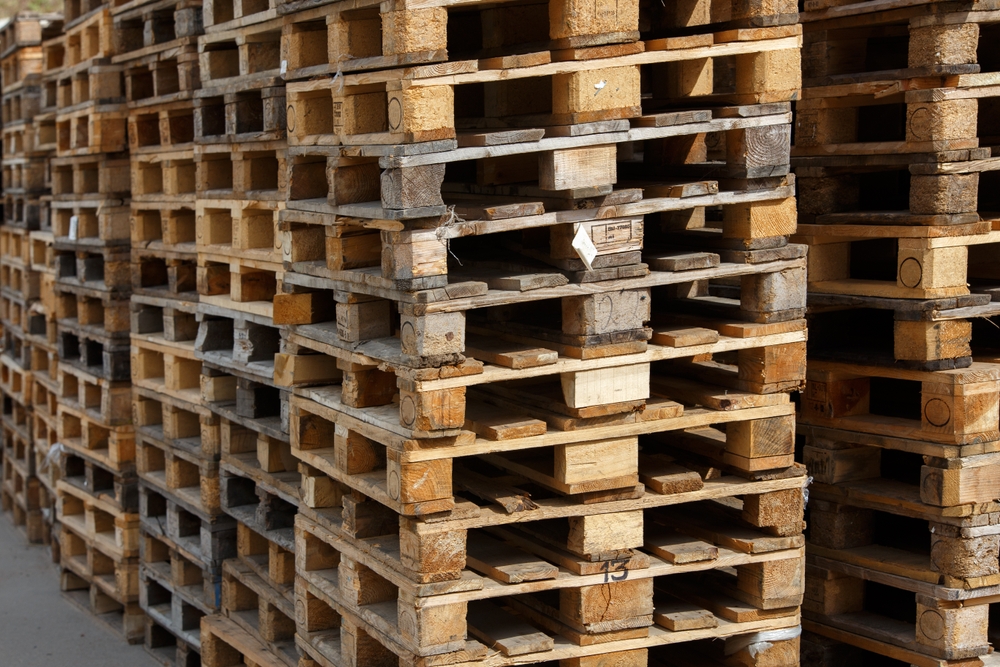
Timber is a porous material that reacts constantly to its surroundings. If new pallets are left in damp, poorly ventilated corners of a warehouse or, worse, outside in the unpredictable South West weather, they will inevitably begin to absorb moisture. This leads to two major problems: the wood becomes heavier and more prone to warping, and it creates a breeding ground for mould. Over time, consistent dampness weakens the cellulose fibres in the timber, making the boards brittle and more likely to snap under pressure.
To extend pallet life, always store your stock in a dry, covered area with plenty of airflow. If indoor space is at a premium, ensure that outdoor stacks are raised off the ground using a sacrificial base layer and covered with a breathable waterproof sheet. Air circulation is vital because it allows any surface moisture to evaporate before it can penetrate deep into the grain. For businesses that handle sensitive goods, keeping pallets dry is not just about longevity; it is a fundamental requirement for hygiene and safety.
Implement Pallet Handling Best Practices
The vast majority of pallet damage occurs during transit and handling, specifically through aggressive forklift use. A common sight in many warehouses is a driver ‘bulldozing’ a stack or misaligning the forks, which leads to splintered lead boards and cracked stringers. While new timber pallets are built to be robust, they are not invincible against several tonnes of machinery. Training staff on precision entry and slow lifting can prevent the majority of structural failures that lead to early retirement of the pallet.
It is also worth considering the specific requirements of your inventory. If you are unsure whether your current equipment is suited to your load weights, reviewing the structural specifications for different applications can help you align your handling methods with the right type of pallet. For instance, using a pallet designed for lighter loads to carry heavy machinery will cause immediate stress fractures, regardless of how carefully it is handled. Matching the pallet to the task is the first step in ensuring timber pallet longevity.
The Importance of Even Load Distribution
Uneven loading is a silent killer of wooden pallets. When weight is concentrated in the centre or on one side, it creates a bending moment that the timber was not designed to withstand. Always ensure that goods are stackable and centred. This even distribution prevents the lead boards from sagging and ensures the weight is transferred directly through the blocks or stringers to the floor. Not only does this keep the pallet in good condition, but it also makes the entire load more stable during transport on the motorway or through a busy warehouse.
Protecting ISPM15 Compliance Through Careful Handling
For businesses involved in international trade, the care of heat treated pallets is particularly important. These units have been processed to meet global phytosanitary standards, ensuring they are free from pests. However, if these pallets are stored in unsanitary conditions or allowed to sit in standing water, they can become contaminated or lose the clarity of their required markings. Maintaining heat treated pallets and ISPM15 compliance involves keeping the wood clean and ensuring the IPPC stamp remains visible and legible for customs officials.
If a heat treated pallet becomes severely damaged, it may lose its certification status upon repair unless it is re-treated. By taking care of these specific assets, you avoid the administrative headache and the significant cost of having a shipment rejected at a foreign port. Regular inspections should specifically look for the presence of moisture and ensure the heat treatment mark has not been obscured by dirt or debris.
A Simple Pallet Repair Guide for Daily Use
Catching damage early is the most effective way to prevent a total loss. A small split in a deck board can be fixed easily, but if left alone, it will eventually cause the entire board to fail, potentially damaging the goods sitting on top of it. A basic pallet repair guide for your team should include a ‘red tag’ system. If a pallet is spotted with a loose nail or a minor crack, it should be pulled from rotation immediately for a quick fix.
- Check for protruding nails which can snag packaging and weaken the joint between boards.
- Look for ‘shiners’, which are nails that have missed the stringer, as these provide no structural support.
- Replace individual broken deck boards rather than discarding the entire unit.
- Ensure all replacement timber is of a similar grade and thickness to maintain balance.
For many firms, managing repairs in-house is not always feasible. In these cases, using professional pallet collection services to clear away damaged units and replace them with refurbished stock is a practical alternative. A&M Pallets, for example, maintains a stock of over 40,000 reconditioned units, which can be a highly efficient way to manage your inventory without the need for a dedicated repair workshop on your own site.
Sustainable Pallet Practices and Cost Savings
Proper care is a cornerstone of environmental responsibility. Every year that you add to the life of a pallet is a year that the carbon stored in the timber remains out of the atmosphere. By following these maintenance steps, you are actively participating in a circular economy. When a pallet finally reaches the end of its functional life, it should not be sent to landfill. Instead, it can be recycled, ensuring the virgin wood sourced from UK sawmills is utilised to its fullest extent.
From a commercial perspective, the benefits are just as clear. Reducing your pallet turnover by even 10% through better handling and storage can result in significant annual savings for medium sized enterprises. While some sectors may eventually transition to plastic pallets for specific hygienic or heavy duty applications, the versatility and repairability of timber make it a cost effective choice for the majority of UK logistics. If your budget is tight, integrating used timber pallets alongside your new stock can also help manage costs without sacrificing reliability.
Securing Your Supply Chain Assets

The journey of a pallet begins long before it arrives at your loading bay. Choosing a supplier that prioritises quality from the start is essential. At A&M Pallets, we have over 35 years of industry experience and produce over 45,000 pallets per month, ensuring that every piece of timber meets the standards required for a long working life. However, once those pallets are in your hands, the responsibility for their longevity shifts to your warehouse team.
If you would like to learn more about our range or need advice on the best specifications for your specific industry, you can explore our new timber pallets or reach out to one of our five locations across Cornwall and Devon. By combining high quality manufacturing with the care tips outlined above, you can ensure your logistics operation remains efficient, compliant, and cost effective for years to come. Should you have any specific questions regarding bespoke sizes or large scale orders, please feel free to contact us to speak with our team.