
What Does the ISPM15 Stamp Mean on a Pallet
Take a stroll through any export warehouse in the South West and you will see them: small, branded marks burned or stamped into the side of timber blocks. To the uninitiated, they look like little more than warehouse shorthand. To a logistics manager or an export officer, however, that ISPM15 stamp is the golden ticket. Without it, your international shipment might never leave the quayside, or worse, it could be turned back at a foreign port, leaving you with a stranded cargo and a mounting bill for disposal.
The stamp is more than just a mark of quality. It is a declaration of safety that satisfies global wood packaging material regulations. It tells customs officials in over 100 countries that the timber used to build the pallet has been treated to kill off invasive pests. In an era where global biosecurity is a high-priority concern, understanding what those symbols mean is essential for any business shipping goods beyond the UK’s borders.
Cracking the Code of the ISPM15 Mark
When you look closely at the stamp, you will notice it is divided into specific sections. It usually features an ear of wheat symbol on the left, which is the IPPC (International Plant Protection Convention) logo. To the right, you will see a two-letter country code, such as GB for the United Kingdom, followed by a unique registration number assigned to the manufacturer or treatment provider. Finally, you will see a treatment code, most commonly ‘HT’ for heat treatment.
This string of characters acts as a passport for the wood. It allows for full traceability back to the source. If a shipment is inspected and a problem is found, the authorities can identify exactly where the timber was processed. For businesses, the presence of a clear, legible mark is the easiest way to ensure how to check if a pallet is ISPM15 compliant before it ever gets loaded onto a lorry. If the stamp is missing, blurred, or looks like it has been tampered with, the pallet is effectively useless for international trade.
How Heat Treatment Protects Global Ecosystems

Why do we go to all this trouble for a few bits of timber? Wood is a natural, porous material that often plays host to wood-boring insects. If these pests are transported from one continent to another, they can devastate local forests that have no natural immunity. The ISPM15 standard was created to stop this in its tracks. To earn the stamp, the wood must undergo a specific process where its core temperature is raised to at least 56 degrees Celsius for a minimum of 30 minutes.
This process is the reason why heat treated pallets and ISPM15 go hand-in-hand. Unlike older methods that relied on chemicals, heat treatment is clean, effective, and accepted worldwide. It is the preferred method for modern logistics because it does not leave toxic residues on the timber, making it safe for transporting food, pharmaceuticals, and consumer goods. Many businesses find that knowing why heat treatment matters for global shipping helps them explain potential cost differences to their own clients or internal stakeholders.
Are There Other Ways to Comply?
While heat treatment is the industry standard in the UK, some regions still use chemical fumigation. However, this is becoming increasingly rare due to environmental concerns and health risks. When deciding on your supply chain, knowing how to choose between heat treated and fumigated pallets for export compliance is usually a straightforward choice. Heat treatment is the more sustainable, future-proof option that meets almost all international phytosanitary requirements without the headache of chemical handling declarations.
The Consequences of Getting It Wrong
International shipping is complicated enough without adding regulatory fines into the mix. If you attempt to export goods on pallets that lack the ISPM15 stamp, the consequences can be severe. Customs agents have the authority to quarantine the entire shipment. Generally, they will either order the goods to be repalletised at your expense or, in some jurisdictions, they will simply reject the shipment and send it back to the UK.
This is often where the most expensive errors occur. Beyond the shipping fees, you face late delivery penalties from your customers and potential damage to your brand reputation. This is why it is vital to understand what is ISPM15 and why is it important for exporting goods before you sign off on a logistics plan. It is a small detail that carries massive weight in the world of international trade.
Many of the biggest mistakes businesses make with ISPM15 compliance stem from a lack of internal training. Staff might grab a standard domestic pallet for an export job because it looks ‘good enough’, not realising they are creating a compliance nightmare further down the line. Consistent pallet management and sourcing from a certified UK supplier like A&M Pallets can eliminate this risk entirely.
Can You Reuse or Repair an ISPM15 Pallet?
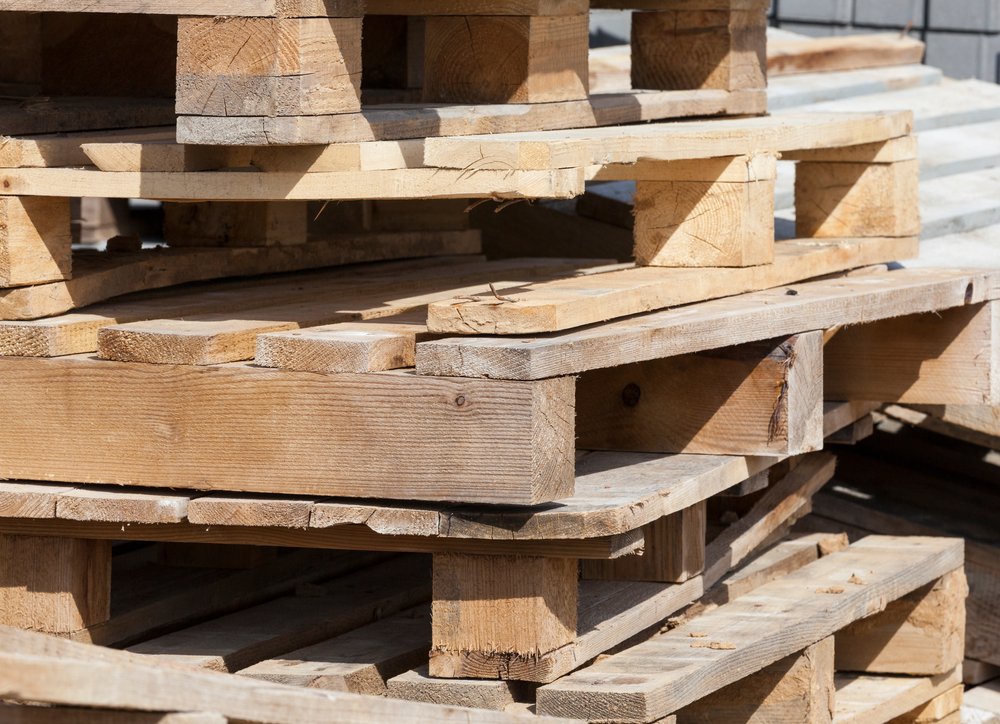
One of the most frequent questions we hear from procurement officers is about the lifespan of the certification. Once a pallet has been heat treated and stamped, that certification lasts for the life of the pallet, provided the pallet remains intact. You do not need to re-treat it every time you use it. In fact, many businesses save money by asking can you reuse ISPM15 pallets for multiple shipments and implementing a recovery system.
However, the rules change if the pallet breaks. If you replace more than one-third of the timber components, the pallet is considered ‘re-manufactured’ and must be re-treated and re-stamped. Even for smaller fixes, you must be careful. Learning how to repair a heat treated pallet without losing certification involves ensuring that any new timber used for repairs is also ISPM15 compliant and that the original stamp remains visible and valid.
Maintaining the Quality of Your Stock
Even the best-certified pallets can fail an inspection if they have been stored poorly. If pallets are left in damp, dark conditions, they can develop mould or attract new infestations. Customs officers look for ‘clean’ timber. Knowing how to store heat treated pallets to maintain compliance ensures that your pallets look as professional as the goods they are carrying when they reach their destination. Keep them off the ground and in a well-ventilated area to prevent moisture build-up.
Specifics Matter for Export Pallets in the UK
Exporting from the UK post-Brexit has placed a sharper focus on timber packaging compliance. Standard pallets that once moved freely between the UK and the EU now require the ISPM15 stamp. This shift has made it more important than ever to identify what pallet type do I need for specific destinations. Whether you are shipping to France, the USA, or Australia, the pallet is the foundation of your compliance strategy.
In some niche cases, businesses ask if personalising their pallets affects their status. Generally, can painted or branded pallets still be ISPM15 certified? The answer is usually yes, provided the paint or branding does not obscure the mandatory ISPM15 mark. The stamp must remain the most legible part of the pallet’s identity.
Another point of confusion is the duration of the mark’s validity. If a pallet sits in your warehouse for two years, is it still okay to use? Logistics managers often wonder how long does ISPM15 certification last on a pallet. Fundamentally, the heat treatment process changes the state of the wood, and as long as no significant repairs have been made with untreated wood, the stamp remains a valid certificate of treatment regardless of the time elapsed since the oven.
Finding a Reliable Partner for International Shipping Pallets
Compliance is not something you want to leave to chance. Working with a supplier that understands the nuances of pallet treatment standards and phytosanitary requirements is a commercial necessity. At A&M Pallets, we provide the South West with a consistent supply of certified timber packaging, ensuring that local exporters can keep their goods moving without the fear of customs delays.
Our team acts as more than just a vendor; we are experts who offer practical guidance on international logistics. We maintain high stock levels of heat treated pallets, so even when global supply chains get tight, your business remains operational and compliant. If you are unsure about the specifications required for your next shipment, we are here to help you navigate the jargon.
If you need to secure a reliable supply of certified pallets or have a specific question about your export requirements, contact us at A&M Pallets today. Let us take the stress out of your international logistics so you can focus on growing your business abroad.